Rerouting the Timberline Trail at the Eliot crossing
Anyone who’s hiked the Timberline Trail in its entirety in the past eight years or so knows that crossing the Eliot Creek on the north side of the mountain can be a bit dicey. That’s because a massive debris flow in November 2006 wiped out the established crossing, which for years had been susceptible to the mountain’s fancies anyway.As a result, the Forest Service closed the crossing, officially, if not exactly completely, rendering an uninterrupted circuit of the mountain impossible.

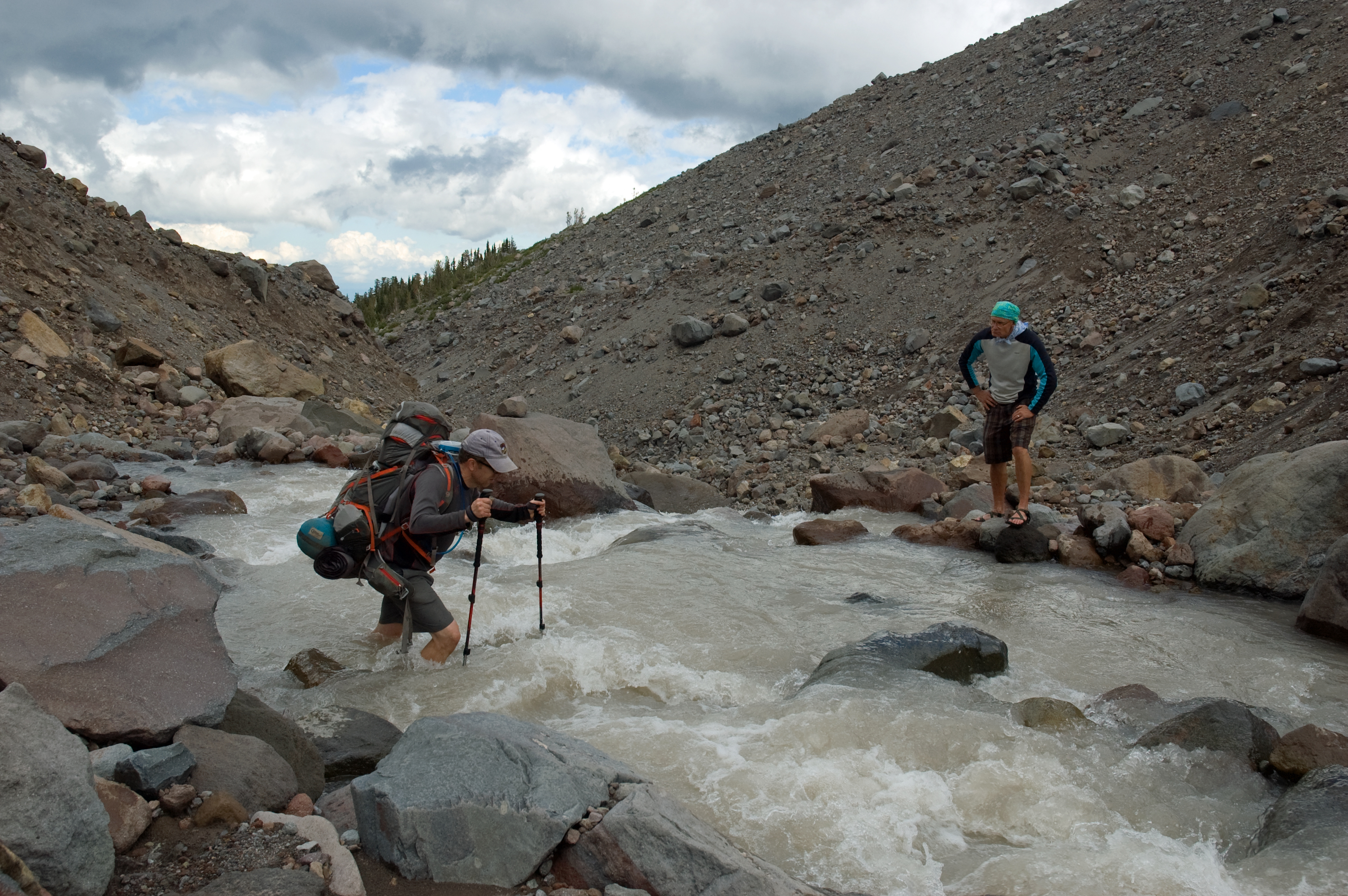
The closure, however, didn’t stop people from crossing the creek; it just forced them to find other ways to get across, usually heading high up onto the Eliot Glacier or dropping way down one side of the unstable moraine, crossing the icy cold creek, and then heading back up the other side.

It’s doable if a bit dangerous. We did it in 2013 and found the approach to be the most difficult part. Crossing the actual creek was frigid, but all in all it wasn’t any more difficult than some of the other creeks and rivers along the 41 miles of the trail.
Now, however, the Forest Service is looking for a fix. Original plans called for a pretty substantial suspension bridge across the Eliot, but those have, thankfully, been dropped. Plan B is a reroute of about 1.5 miles of the Timberline Trail. The new leg would head west from the Cloud Cap Saddle Trailhead and switchback down to the Eliot. There are no plans for a bridge at this new crossing, so hikers would still have to find their own way across the creek. The lower elevation of the crossing, however, would theoretically make for a better if not safer crossing than higher up.
As part of these plans, the Forest Service is also proposing the removal of existing segments of trail that have for years led to the washout crossing on both sides of the moraine. The eastern portion of that trail is actually a fantastic alternate route for going up or coming down the Cooper Spur Hike, as it affords incredible views out over the Eliot and up the north face of Hood. To lose that option would be unfortunate, even though it would probably still hang around as an unofficial footpath.
The Forest Service is currently accepting comments on its plans for the Timberline Trail, but only until 5 p.m. Wednesday, Sept. 30, so if you have thoughts to share, now’s the time to do it. They can be emailed to Casey Gatz in the Hood River Ranger District at cgatz@fs.fed.us. More information about the project is also available here.
Finding Summer on Mount Hood’s Lost Lake
I probably shouldn’t share this, but I think a few of my Mount Hood stories already have: the weekend after Labor Day can be one of the most glorious of the summer.
The past couple Labor Days, for us anyway, have been ripe with the first signs of the season to come: chilly, gray, damp; the kind of weather that makes it feel OK to stay inside for a change. But that transition can be a hard one to make, but at least the first weekend of it is usually just a fleeting reminder to get the rest of your summer in while you can.
And how we got it in this past weekend at Lost Lake. I won’t share exactly why this annual trip to the mountain’s Northwest side this time of year sits so high atop the list, but I think it’s plain to see.
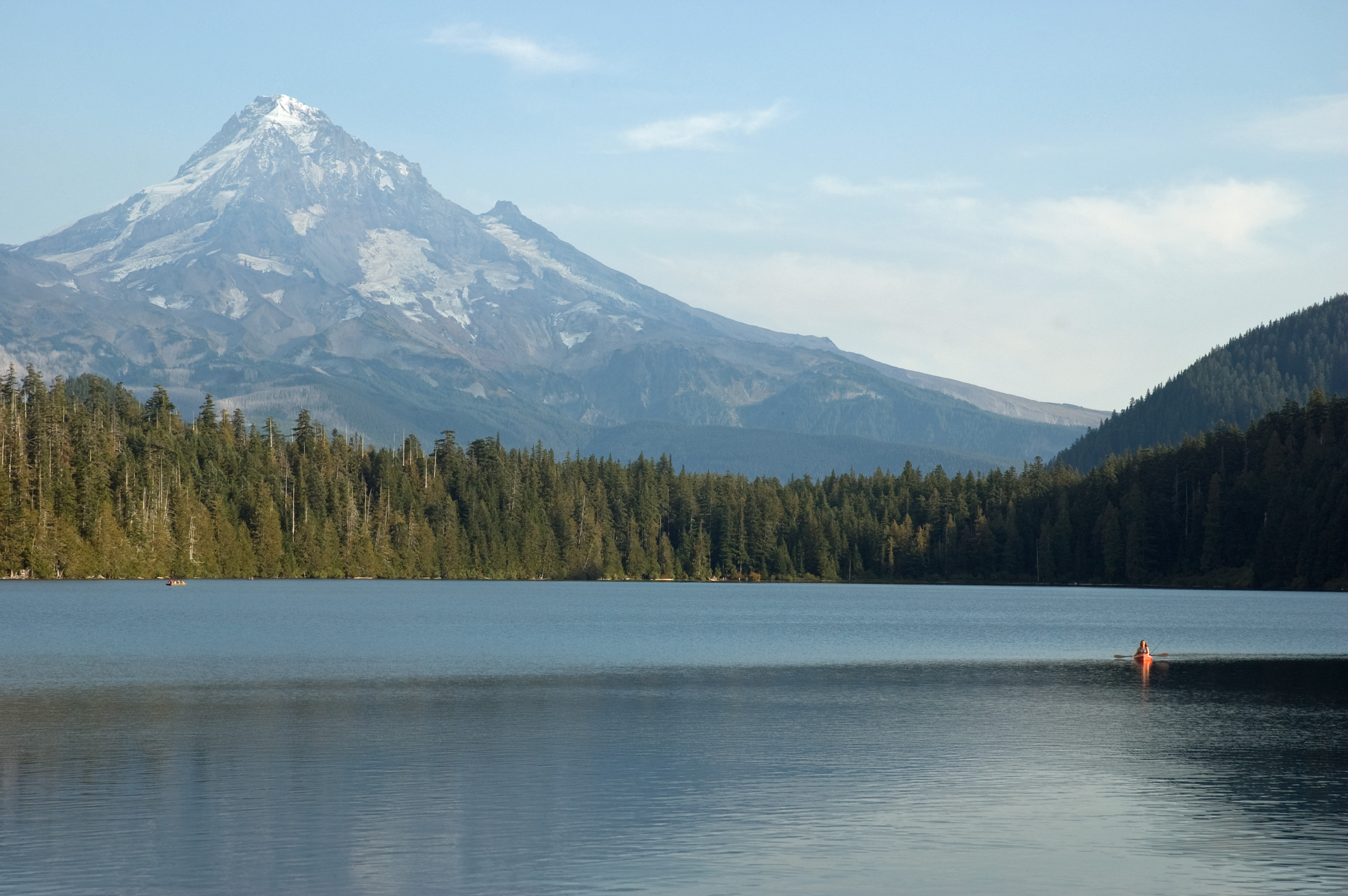
It can be tough to get the popular lakeside campsites in the campground at Lost Lake, but luckily many of the other sites, tidy and surrounded by soaring Doug firs and lodgepole pines, leave little to groan about. Even so, it’s not really about being in the campground at Lost Lake. It’s all about being on the water.

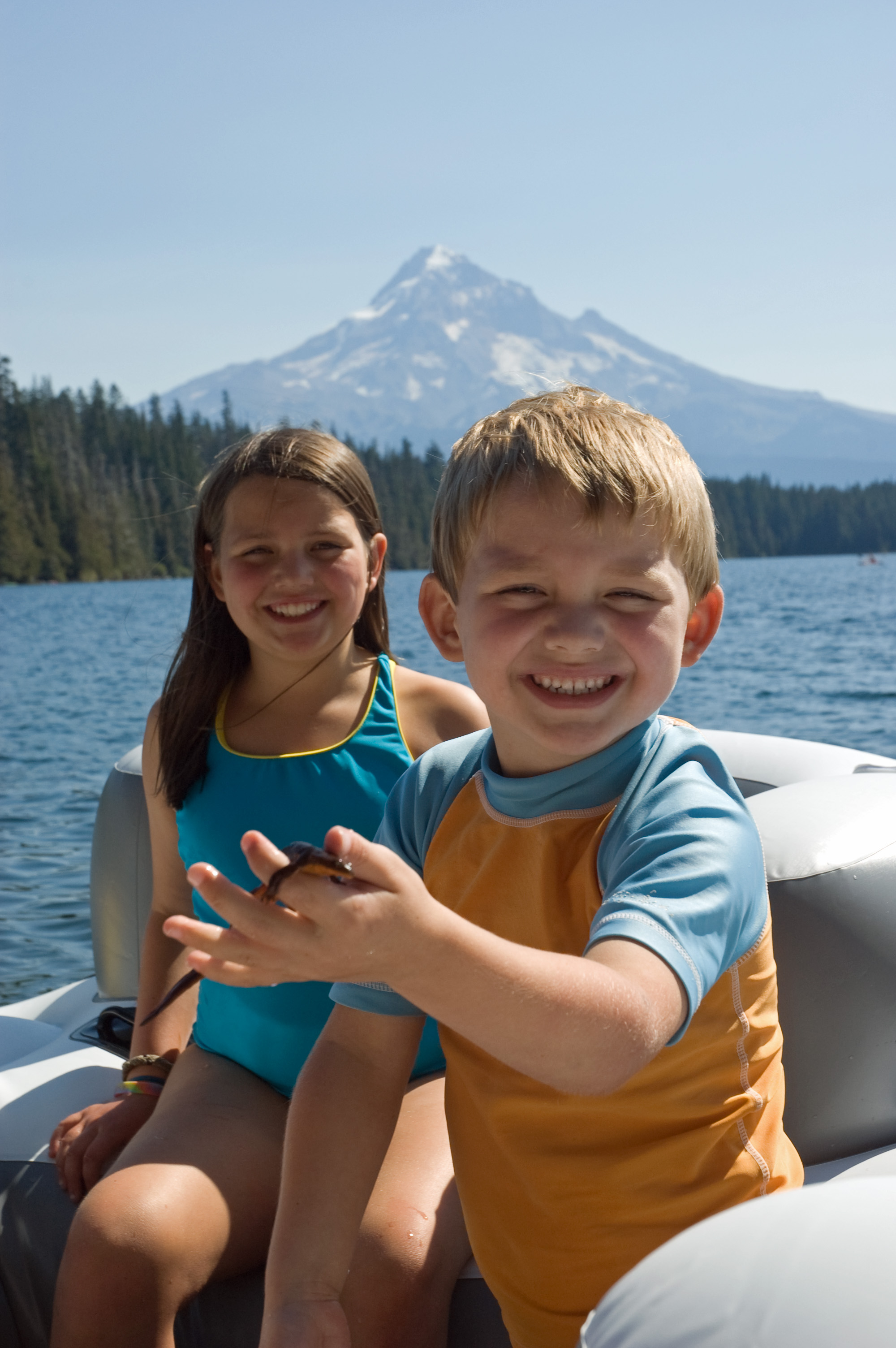
And that goes for everyone.

Our escape to Lost Lake this summer found us there for three nights. The first two days on the lake were summertime at its best, with sun and swimming and heat and barely a care in the world. I thought repeatedly about doing the three-mile hike around the lake or the 4.6-mile one up Lost Lake Butte, which I’ve never done, but the lake just kept pulling me back and making me stay. Why leave the sunny shoreline when days like this are as numbered as they are?
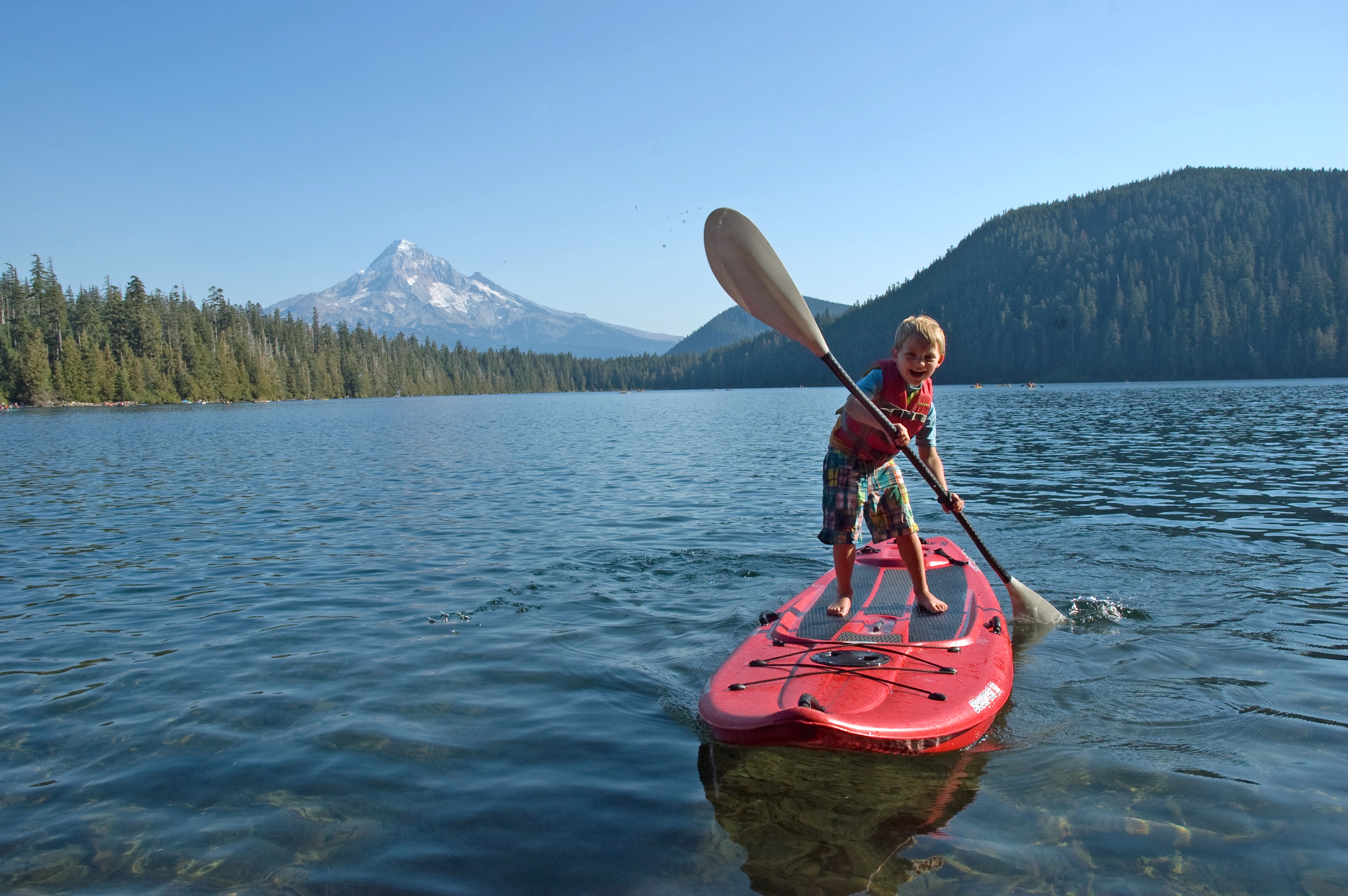
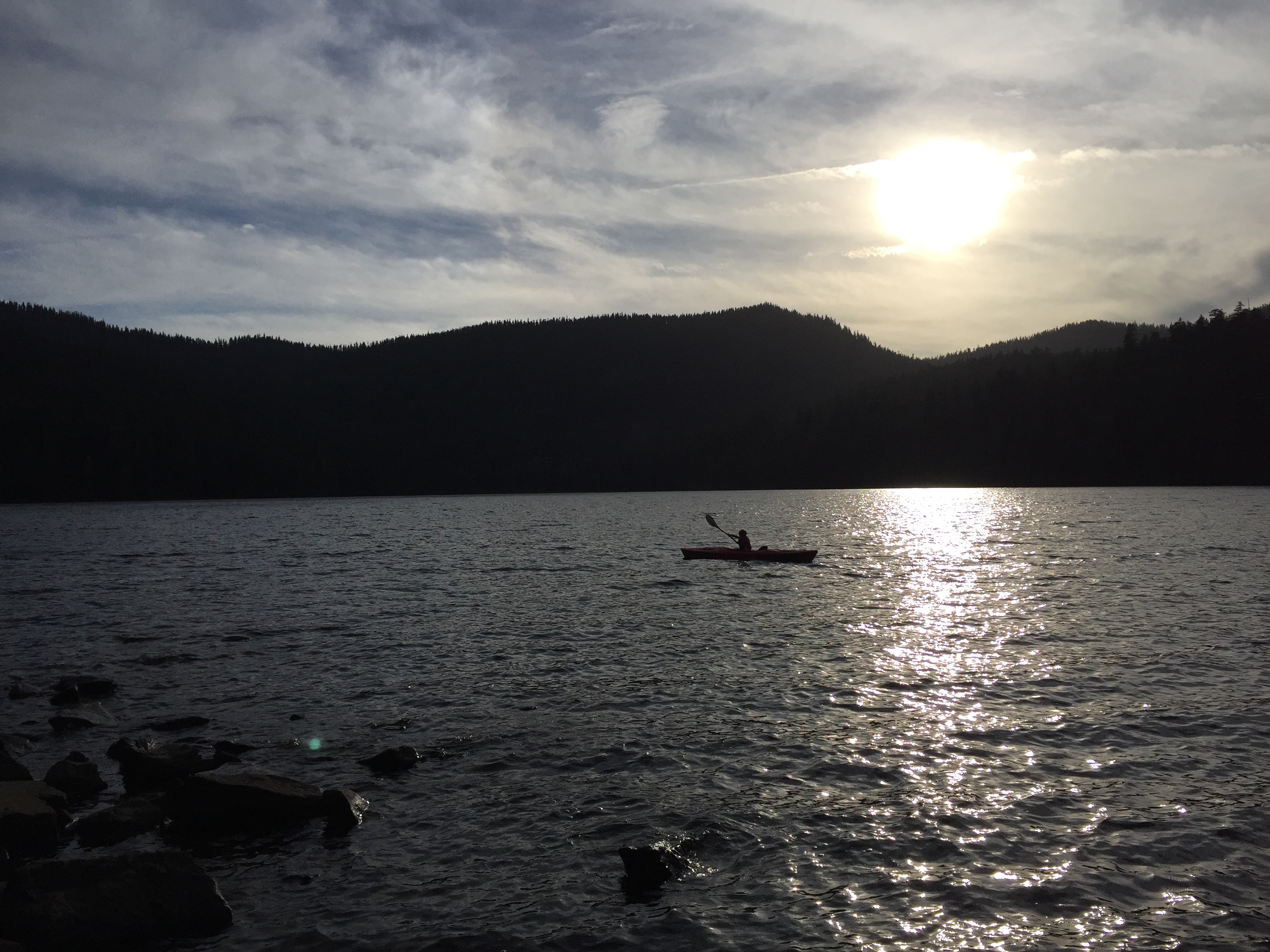
As if on cue, Sunday morning dawned breezy and with an unexpected chill in the air. The trees swayed with high mountain wind and white clouds swirled with the blue sky. The sun shone, but it never warmed above 65 degrees — a difference of at least 15 degrees from the days prior. Out on the wrinkled lake, tiny whitecaps sprayed off the waves, and where, days earlier, scores of rowboats, canoes, kayaks, rafts and standup paddle boards plied the waters, now only a handful bobbed around. Still, we lingered all day, chasing the sunshine and crawfish, soaking in just one more view of the mountain and hanging on to what might have been the very last drop of summertime on Lost Lake.
 On MOUNT HOOD