Ben Jacklet Follows the Sun

I remember a few years ago my friend Ben Jacklet telling me that he and his wife, Christina, were about to embark on a trip around the world. Literally.
Christina had earned a year-long sabbatical, and Ben’s gig selling solar panels wasn’t something that needed to tie him down. So they’d planned a roughly 12-month adventure: a few months overseas, then a return to Portland, followed by a few more months overseas, and so on and so on. The itinerary would take them to Costa Rica, Peru, Mexico, Chile, India, Italy, Greece, Australia, New Zealand and beyond.
But it wasn’t all just travel and exploration, fine food, coffee, wine, scuba diving, swimming and hiking. An award-winning journalist who I first met in 2004 at the Portland Tribune – and who later created the Mt. Hood site Shred Hood – Ben also had big plans for a book. One that would explore how all these countries were harnessing the sun for clean energy.
Well, he pulled it off. Not only did Ben and Christina have the global adventure they’d envisioned, but along the way, Ben interviewed at least 50 solar experts and toured countless solar installations around the world – then had the discipline and literary chops to bring the book to fruition.
It’s called “Follow the Sun: Around the World in Search of Solar Solutions.” It’s got the endorsement of renowned author, environmentalist and activist Bill McKibben. And it’s available now.
The book is a fantastic read for anyone who loves a good travel story and who believes in the promise of solar energy. Find “Follow the Sun” here, and learn more about Ben and his endeavors here.
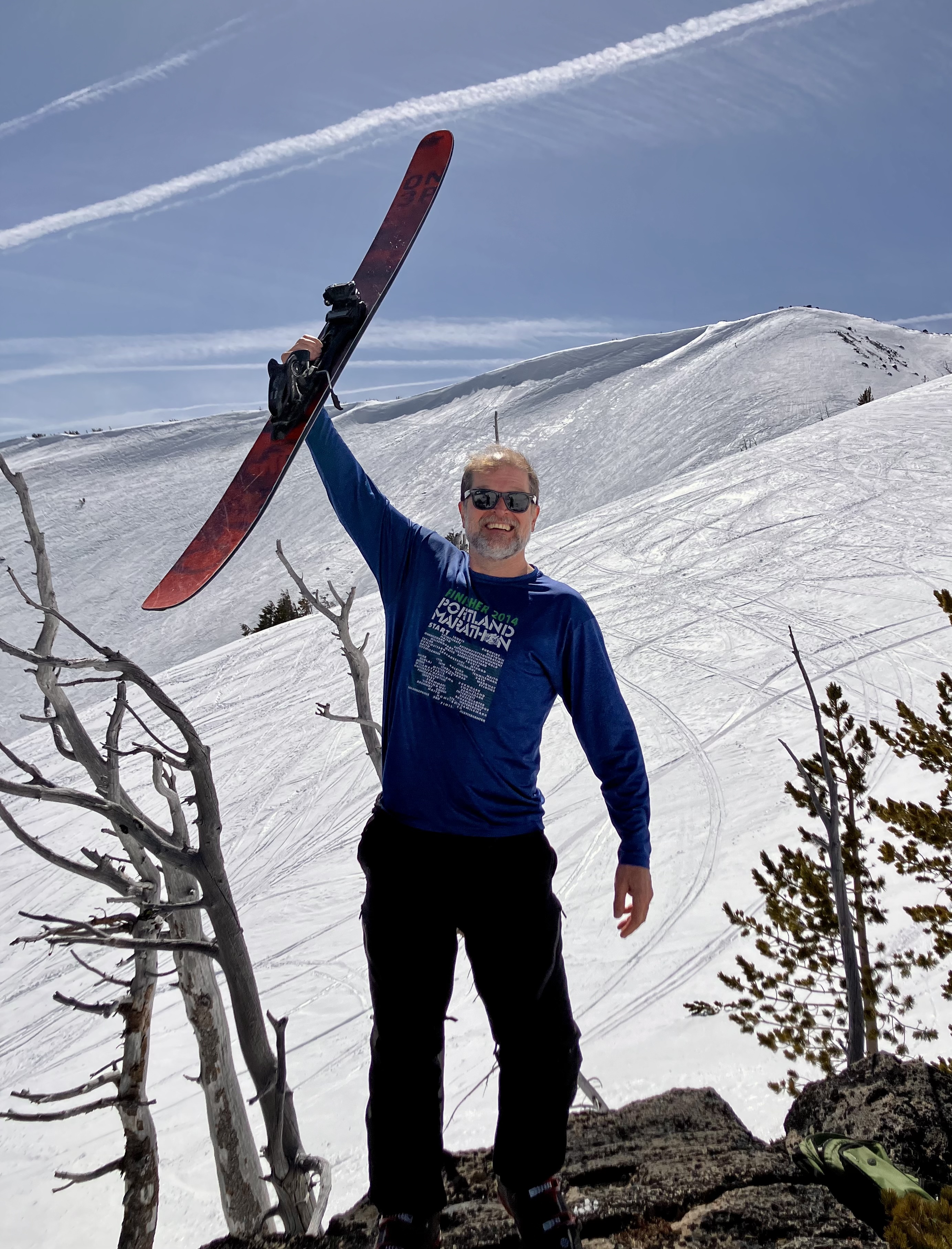
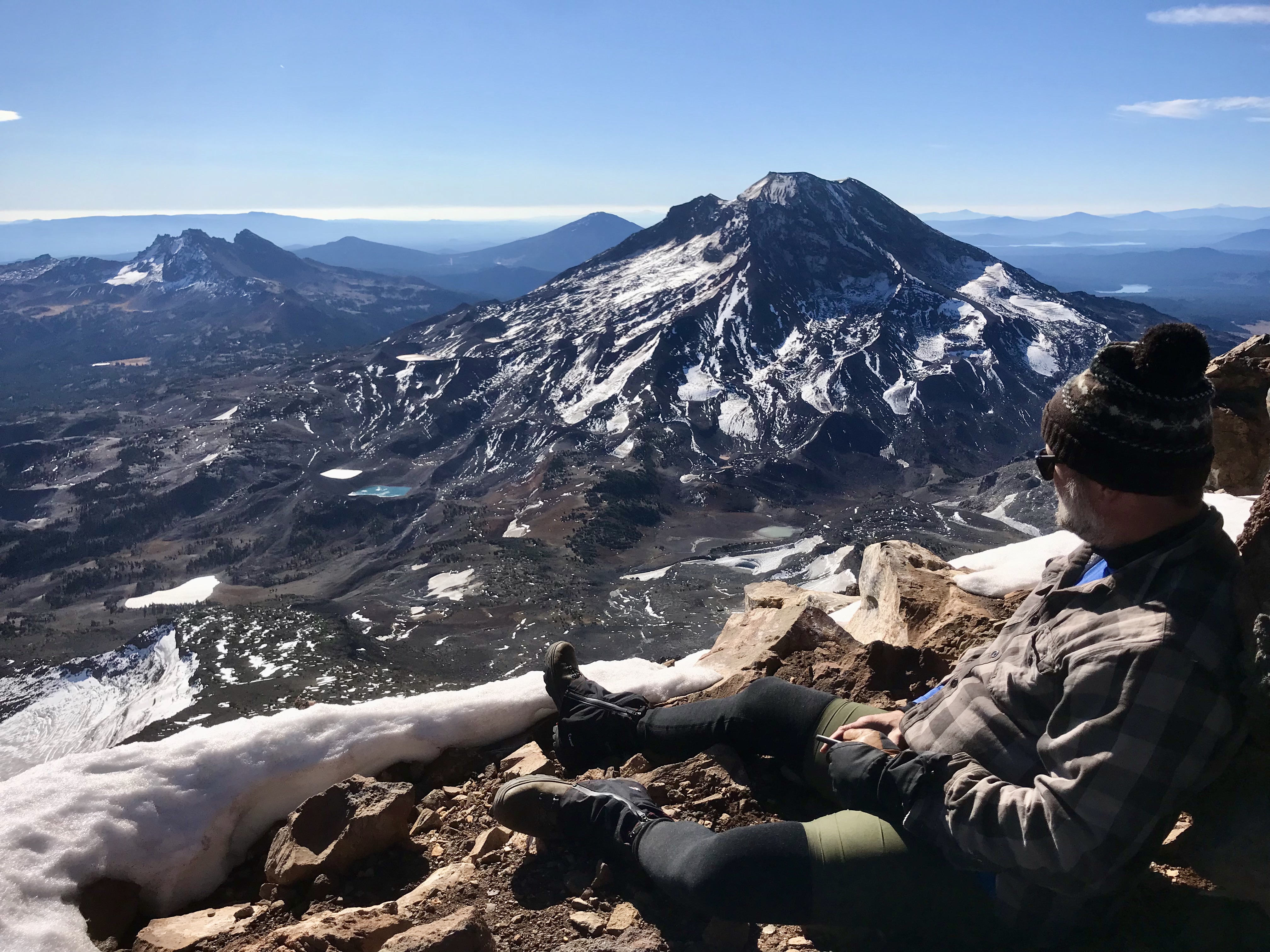
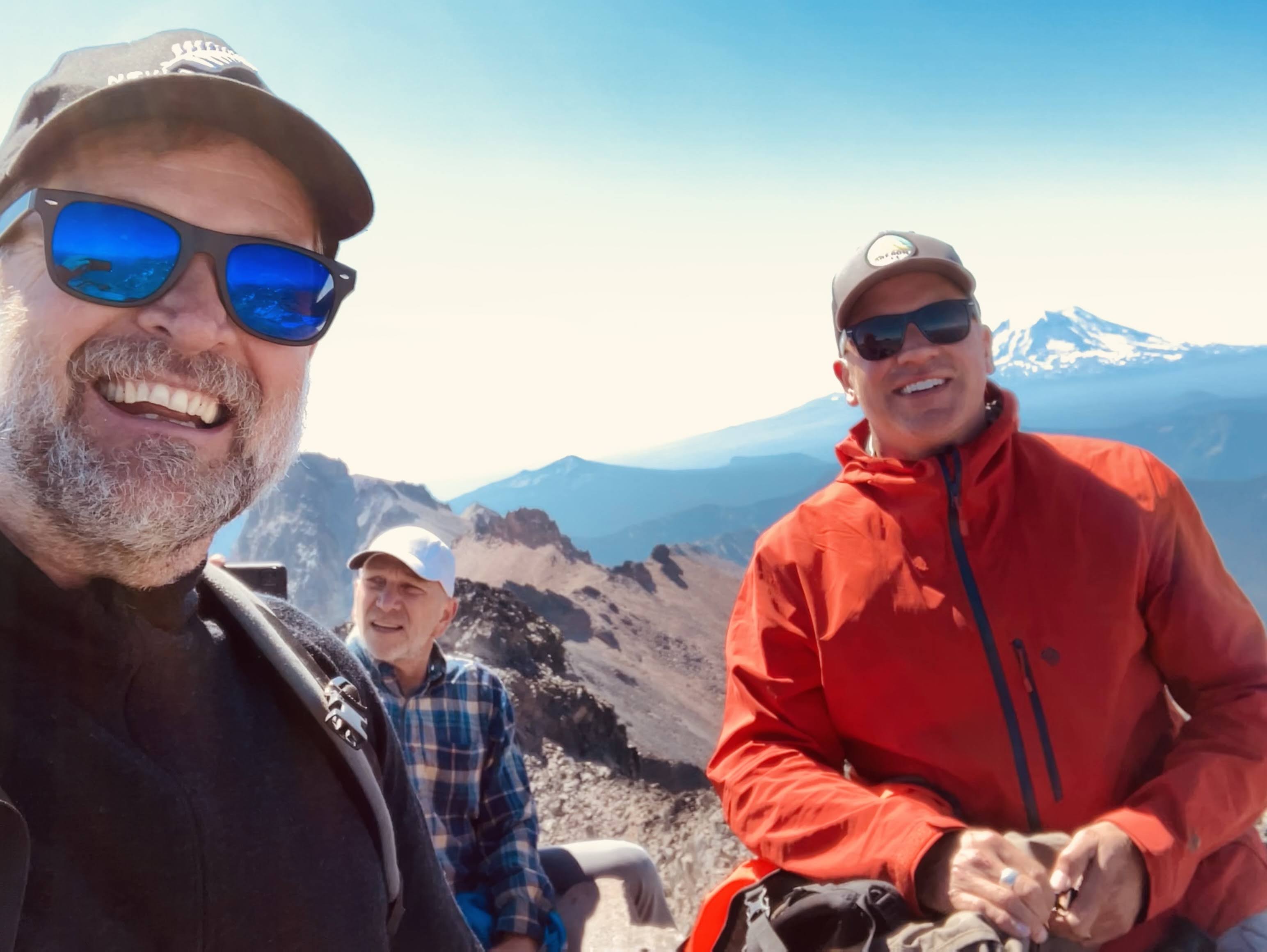
And for a look at some of the adventures that I’ve shared with Ben over the years, check out the pics below.
Another adventurous escape on the Timberline Trail

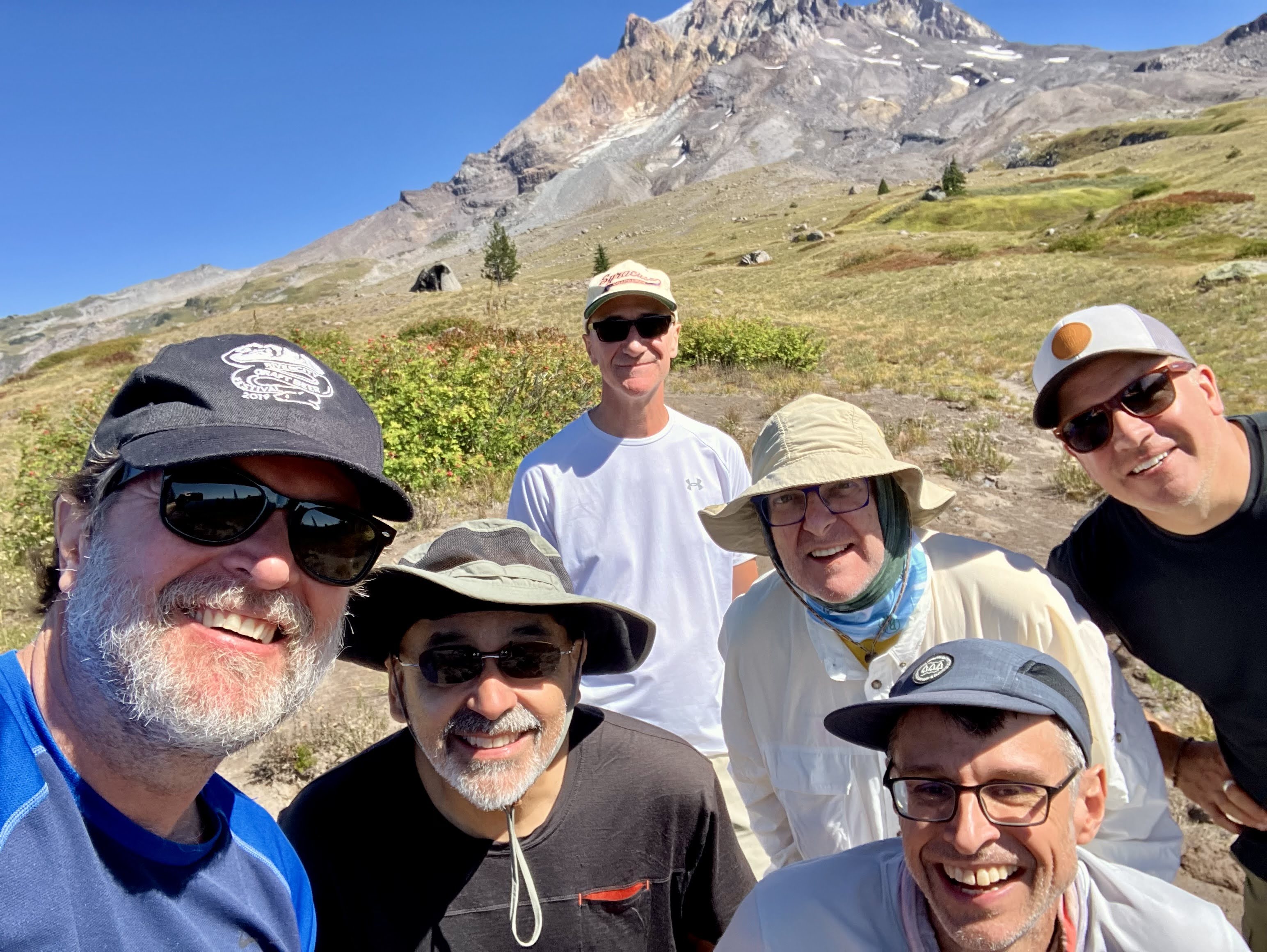
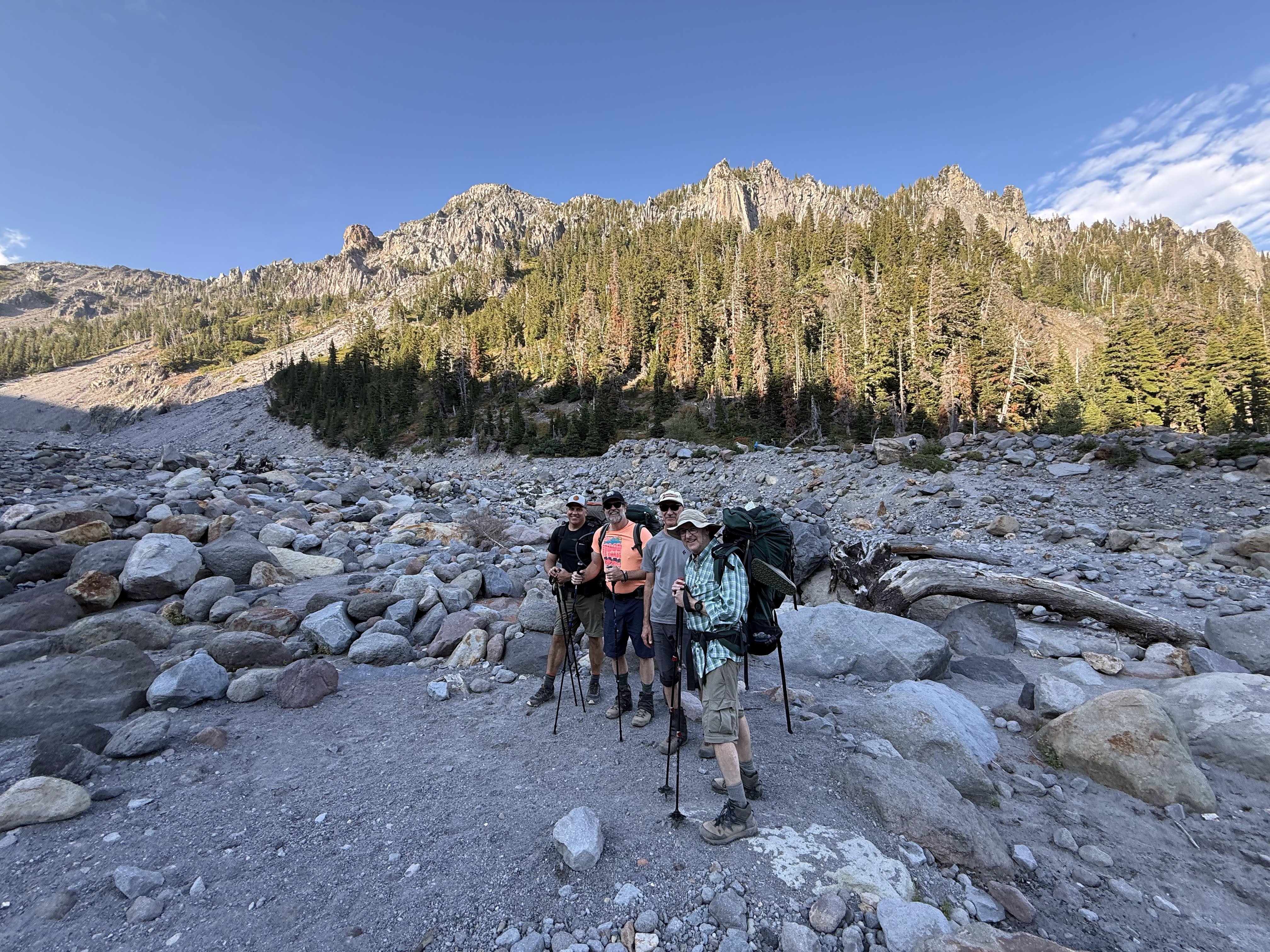
We thought we were in the clear, that the last mile or two of the 41-mile Timberline Trail that encircles Mt. Hood wouldn’t put up much of a fight. Sure, the crossing of Eliot Creek is notoriously daunting. After four days on the trail, we knew it was still coming. But reports from other hikers passing us in the opposite direction were optimistic.
It’s not bad, they said.
There’s a rope, they said. Even a log bridge.
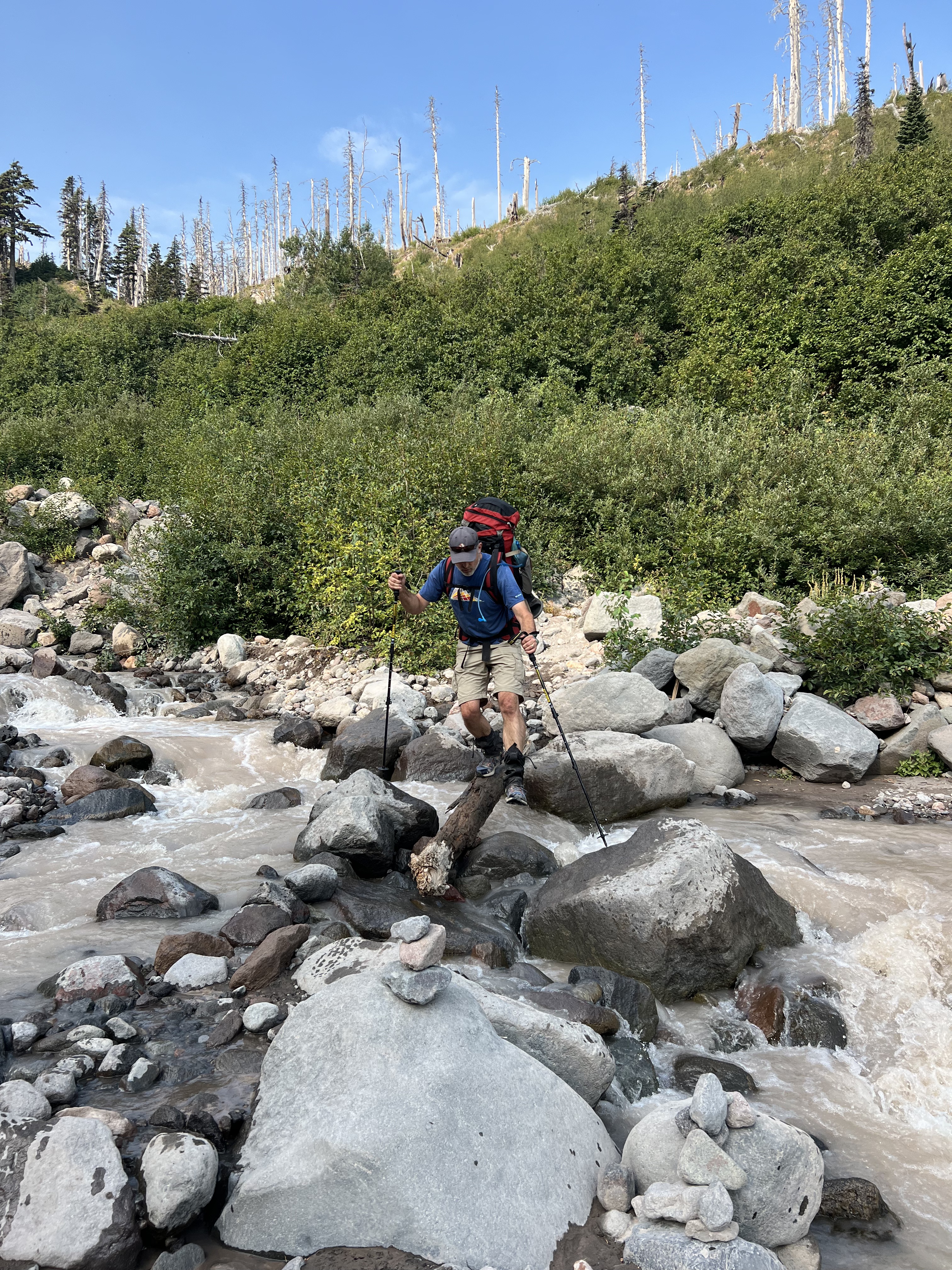
And they were largely right. Actually crossing the mighty stream that plows its way down from the mountain’s largest glacier of the same name wasn’t that bad. Getting down to it, however, was a slippery, bouldery, precarious trial that had me fretting that our 40-mile streak of safety was about to break.

But it didn’t. All six of us – a cadre of friends who’ve shared years of outdoor adventures together – made it down, albeit slowly, across the creek and back up a steep, long slog to the Cloud Cap Saddle Campground on the northeast side of Hood where we’d left a car four days and 41 miles earlier.
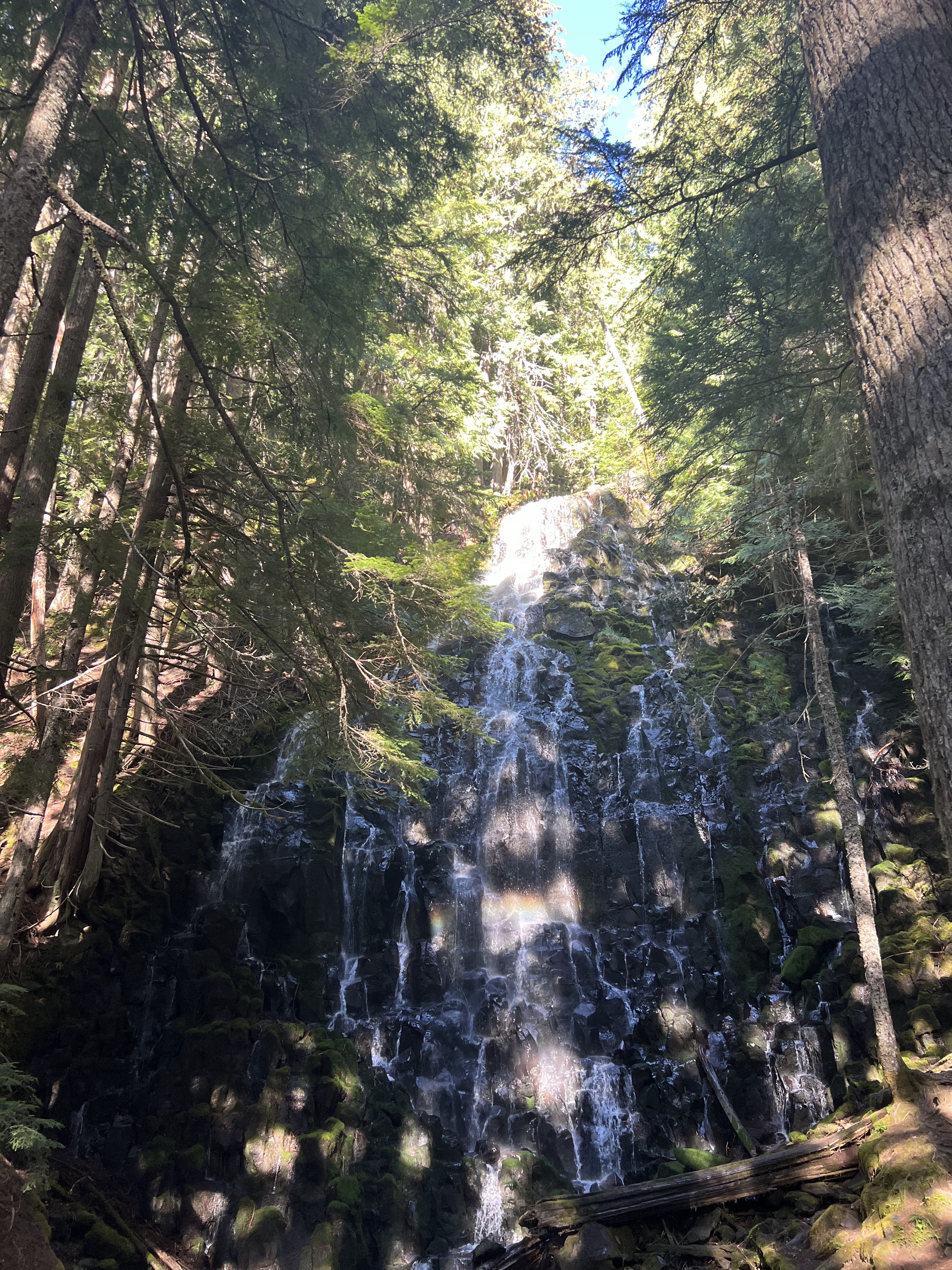
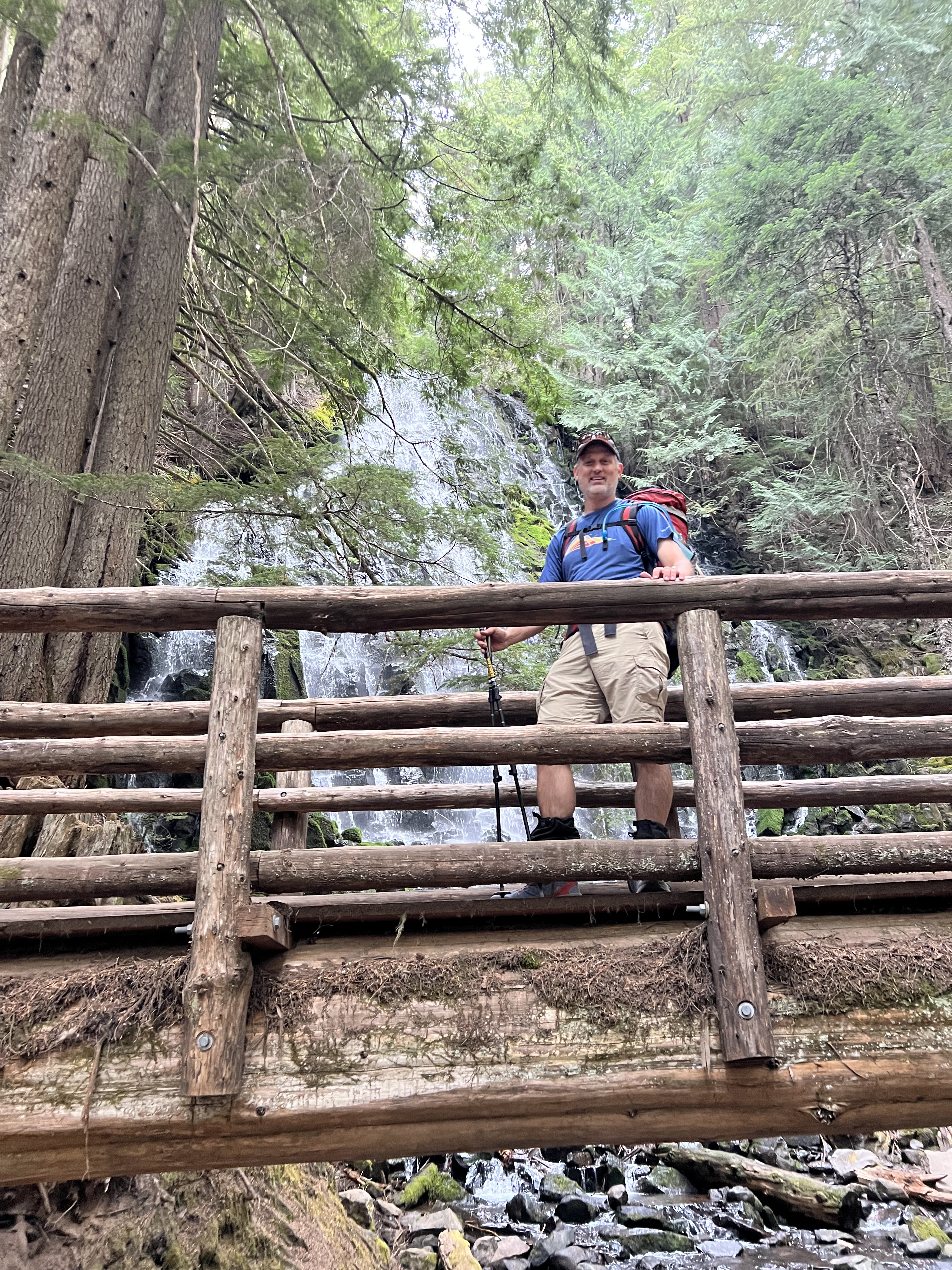
It felt fantastic to be back, but also to have been away. Four days backpacking on the Timberline Trail had been an immersive escape. We saw blue alpine skies and nonstop drizzle. We crossed grassy meadows that double as prime ski terrain in the winter. Fortuitous planning – we’d started on the north side of the mountain rather than the south – found us indoors at the historic Timberline Lodge for the rainy second night, where we refreshed in the mountainside hot tub and pool, ate pizza and dried out. And we picked huckleberries, shared the trail with a stubborn grouse, marveled at the beauty of Ramona Falls and on and on and on.
We had left behind any troubles and escaped to Mt. Hood, if only for a spell. It’s something that the mountain provides – an escape. A glorious respite from the real world. A chance to truly focus on the present and worry not about work or responsibility, troubles or heartbreak; to contemplate instead just how you’re going to cross that next river or how spiritual it is to come upon a luminescent waterfall in the forest and simply sit down in front of it and wonder.
The Timberline Trail and Mt. Hood are always perfect for that.
Some great Mount Hood reading
Fans of Mount Hood and the written word have much to be thankful for with the release of three (that I know of) new books this year.
One’s from a true fan of Timberline Lodge who writes about how the lodge and the mountain have taught her valuable life lessons.
Another’s from a hardcore skier who’s skied from the summit of Mount Hood more than 300 times.
And the third is from a seasoned search-and-rescue veteran who’s saved more than a few lives on Hood and who knows some of the best tales from the mountain’s storied and adventurous past.
All are highly recommended.
In Timberline’s Embrace: What an Old Lodge Taught Me About What’s Worth Keeping – Jean L. Waight.

This one came to me randomly about a year ago when Jean Waight, a Bellingham, Washington-based writer reached out to me in search of a blurb for her book all about her many years of escapes to Timberline Lodge. A huge fan of the lodge myself, I was fully on board from the get-go. She captures the lodge’s charm, what it’s like to have the place to yourself late night and how the wildness of the mountain is never far away.

Here’s the blurb for her book:
“As a fellow Timberline Lodge enthusiast, I connected with Jean Waight’s intriguing tales of the lodge and her time on the mountain. Timberline is the kind of place where you feel as if you alone are experiencing its singularity and creating new memories just for yourself. And yet at the same time, you want to share Timberline with everyone so they, too, can appreciate its unique grandeur. Waight’s book captures those sentiments and so much more.”
11,239: A Skiing and Snowboarding Guide from the Summit of Mount Hood – Asit Rathod

I’ve heard about Asit Rathod for many years. He’s a bit of a legend when it comes to Mount Hood, skiing from its summit and pioneering the annual solstice party at Illumination Rock.
For many years, there’s been talk of a book – part guidebook, part personal recollections – about the seven major ski descents from Hood’s summit mixed with some of Asit’s wilder stories. This year, the book finally came to fruition – with the help of a good friend and fellow writer of mine, Ben Jacklet, who has long been an advocate for Asit making the book a reality.

Skiing from the top of an 11,000-foot mountain is beyond my comfort zone, but for those who aspire to – or can – pull it off, Asit’s book is the place to start.
Crisis on Mount Hood: Stories from 100 Years of Mountain Rescue – Christopher Van Tilburg

I’ve interviewed Christopher Van Tilburg, a Hood River-based physician and backcountry adventurer, a few times over the years, including when his book, “The Adrenaline Junkie’s Bucket List: 100 Extreme Outdoor Adventures to Do Before You Die,” came out in 2013. He’s written 12 books, climbed, hiked and skied all over, and works for both Portland Mountain Rescue and the Hood River Crag Rats.
I first tried to buy this latest book at one of my favorite bookstores in the Gorge, Waucoma Bookstore, back during a Father’s Day spent on the mountain, but they were sold out. My son, Spence, and I returned last week and they had them – autographed copies at that – in stock. Stoked to get into it.
Andy Poorman and the Mt. Hood Podcast
Mount Hood is such an iconic mountain, full of so many adventures and stories, personalities and people, history and natural beauty, that someone has to have dedicated a podcast to it by now.
Right?
One would assume. But one would also be wrong.
Until recently, there hasn’t been a podcast focused on Oregon’s tallest and, arguably, most significant peak. But as of just about a year ago, that changed.
In February 2024, Andy Poorman, a Beaverton native who grew up skiing at Mt. Hood Meadows and Skibowl, launched the Mt. Hood Podcast, an entertaining and engaging podcast that’s so far covered everything from the iconic Charlie’s Mountain View and the Meadows avalanche dogs to Mt. Hood weather and renowned French skier and B.A.S.E. jumper Matthias Giraud, who skied off Hood’s 250-foot tall Mississippi Head cliff in 2008.
“I listen to a lot of podcasts when I’m out running or cycling,” says Poorman, who sprinkles a little humor into the podcast with fake ads designed to steer listeners clear of powder days at Skibowl. “I was looking for one about Mount Hood and I couldn’t find one. So I was like, ‘OK, well, I can try this thing.’ So I started it, and it’s been really fun to be able to have an excuse to talk to people. And if you say you’ve got a podcast, people will actually answer your email sometimes.”

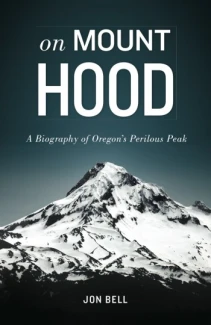
Poorman’s wife bought him a copy of “On Mount Hood” for Christmas last year, which prompted him to reach out to me for the podcast. We chatted for an episode last week, then finished up with a short Q&A to find out more about Poorman, the podcast, his time as a fighter pilot and his affinity for skiing on Mount Hood.
So a podcast on Hood seems like a great idea. How’s it going so far? It’s been a great passion project for me to learn more about the mountain, and it’s nice that I can put that information out there for other people. And I actually have had a couple second-order effects, like I’ve started to work with the Mount Hood Cultural Center & Museum. Just this last weekend I did my first recording of an oral history of one of the long-term residents up there. There are some people who have lived up there a long time who know a lot about the area, and so I’m sitting them down and recording it, and then the museum will have those oral histories in their archives.
You started skiing on Hood pretty early. Yeah, in the fifth grade. I think my parents were trying to get my brother and I out of the house, so they put us on the ski bus. We started skiing every Sunday in the wintertime. And I mean, it hit with me instantly. I started at Meadows and then, you know, kind of bounced around between Meadows and Skibowl depending on where the bus was going.
Are you also a climber or hiker, or is skiing your thing? Skiing’s my thing, so if I need to walk so I can ski, I’m willing to do that, but walking just for walking doesn’t seem fun to me. I’ve got alpine touring gear, so usually I’ll try to go up the mountain on that if I can. But just walking up the mountain and skiing down, I’m getting too old for that. I’ve summited Hood a few times, but it was just more because I was with someone who wanted to go to the top. It’s gotta be pretty good conditions to ski the Old Chute (near the summit), so typically I’ll just stop at Crater Rock or maybe the Hogsback and just ski down from there.
The podcast has an amazing photo of two F-15s flying past Mt. Hood. Can you share a little about your time as an Air Force pilot and how that photo came about? I went to Oregon State and then went off and did some time in the Air Force. I did two combat tours, one before the second Gulf War when there was a no-fly zone, and then I switched to the F-15E model and went back after the second invasion and was there for three months. It was pretty quiet and we weren’t really doing much. And then there were just lots of deployments all over the place before I got offered a job back in Portland flying the same airplane. The picture for the podcast, there are two F-15s going by Mount Hood. We were coming back from the Boardman Range, and we actually had a camera in the airplane, which is pretty rare, and a little extra gas. So I’m like, ‘Hey, I’ve got an idea.’ So me and another guy are flying formation and the third F-15 was taking our picture. It’s pretty stunning.

Photo courtesy of Andy Poorman
So where can people find the podcast? Just about anywhere. On Apple, it’s on Spotify. It’s pretty much on all of them, but Buzzsprout is where it lives. (Poorman and a friend have also created a website, trailmapvideos.com, where visitors can find video footage of many of the runs at Skibowl and also a link to the Mt. Hood Podcast.)
Anything else you’d want to get out there? Sure. The Mt. Hood Cultural Center & Museum has really lowered their standards and they’ve got me as a guest speaker on February 15 for one of their Social History Happy Hours. We’re going to be talking about the oral histories that we’re doing and the podcast as well. We’re trying to figure out some collaborations to get the word out for everything they’re doing up there.
Back to the Timberline Trail – Always Epic

It’s the night before we are supposed to hit the Timberline Trail, and the forecast is not good.
What a week before had been nothing but sun and blue and calm has all of a sudden whipped into a red flag warning for the western Cascades: dry, fire-prone conditions, no rain in sight and winds gusting up to 50 miles per hour. All the requisite agencies are pleading for people to stay out of the mountains. Prospective hikers are bailing on their trips, sharing their postponements on Facebook.
The four of us – myself, Will Armistead, Chris Gomez and Ryan Odegaard – already had to bail on this trip last year when early snow threatened to derail us. We have the time off now. We’ve done the training we’re going to do. We’re supposed to start at Timberline Lodge and head west, away from the worst winds for the first day.
And so we decide to go.

Despite the bowing trees and bending grass on the way up to the mountain, the unnatural hum of the generators powering the lodge – the power companies had killed the electricity to reduce the risk of fire – and the absolute ghost town that greeted us at Timberline on a day that normally would have been bustling, it was the right decision.
We set out just after 9:30 a.m. It was windy, sure, and there was a bit of tension in the air. But the trail, which runs 42 miles around Mt. Hood and includes some 10,000 feet of elevation gain, starts out easy. The wind was at our backs. And not 45 minutes into it, after we’d first cross paths with a friendly foursome who we’d leapfrog with over the next four days, it was still and peaceful. Red flag warning? Never heard of it.
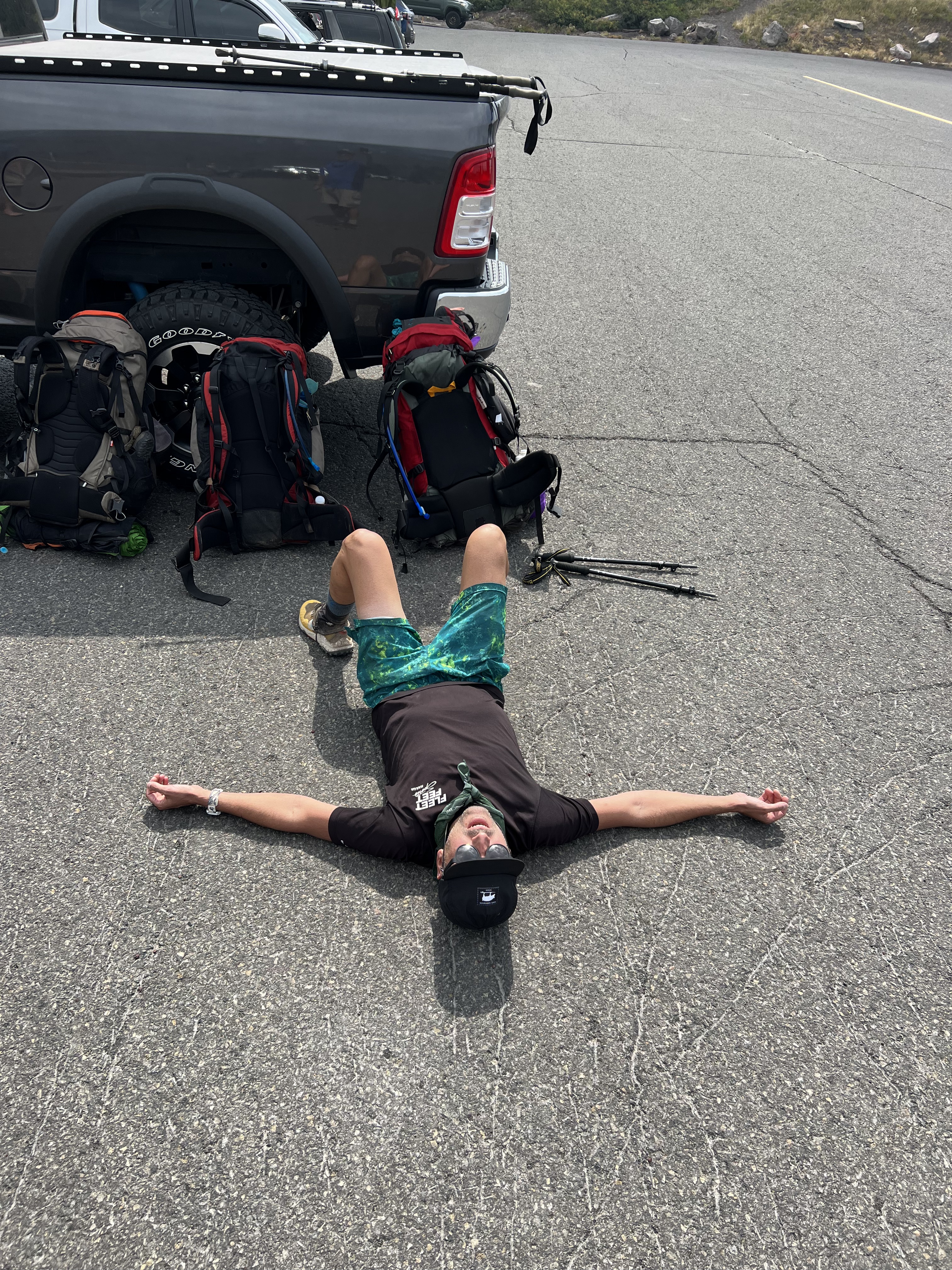
As can happen on the Timberline Trail though – this was my third time doing it – we ran into other challenges that would pose their own obstacles. Gomez got some kind of stomach bug that chose to ride along with him from the second morning on. Some blisters set in and a few knees ached. The bugs were not insufferable, but they were annoying. The climb up from Ramona Falls to Bald Mountain was crushing; the one up from Cloud Cap to the trail’s high point near Gnarl Ridge just brutal.

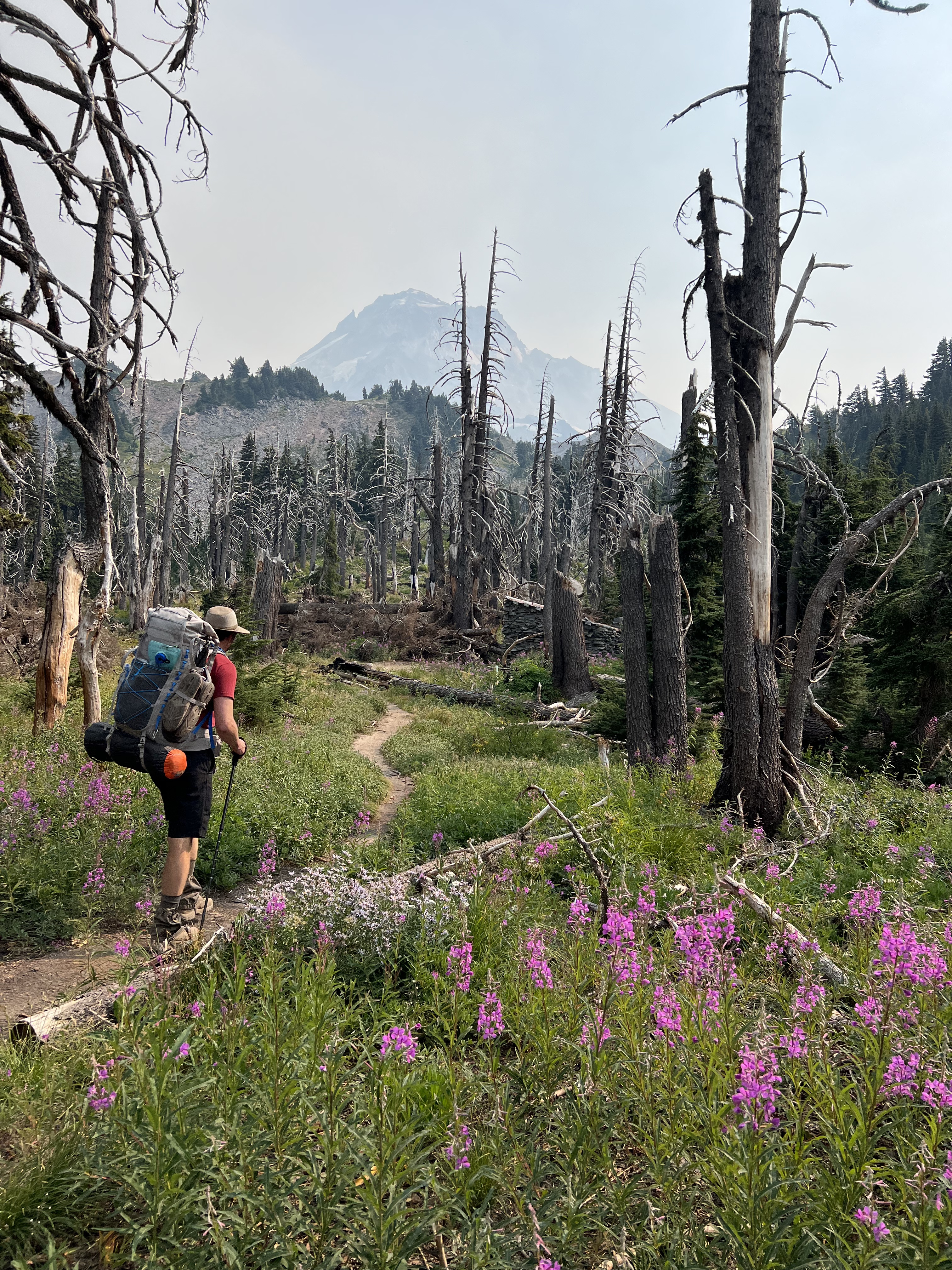
But along with the struggles comes the glory that accompanies taking in Mt. Hood from all 42 miles of the Timberline Trail: the drop down into Zigzag Canyon, the side slog up to Paradise Park – which reminded me of my old friend, Oliver, and a gorgeous trip we had up there – Ramona Falls, Elk Cove, the coast down Gnarl Ridge, the final relief of the pavement and the cold beers in the lot at Timberline Lodge at the end of day four.
The Timberline Trail. Never the same trail twice. Always an epic adventure.






Two big footprints on Mt. Hood
A lot of people have left their mark on Oregon’s tallest peak over the years, helping to protect its wilderness areas, develop its recreation scene and conserve its history, culture and natural resources.
I was fortunate enough to cross pass with two of those people when writing “On Mount Hood,” and now seems an appropriate time to give them a nod.
The first, Jon Tullis, was Director of Public Affairs for Timberline Lodge when I called to learn more about the lodge more than a decade ago. He was so friendly, informative and helpful, sharing with me some of the great characters who add color to the mountain while also offering up some of his own mountain tales. An East Coast native, Tullis had migrated west after college in 1984, stumbled on Timberline Lodge and, essentially, never left.

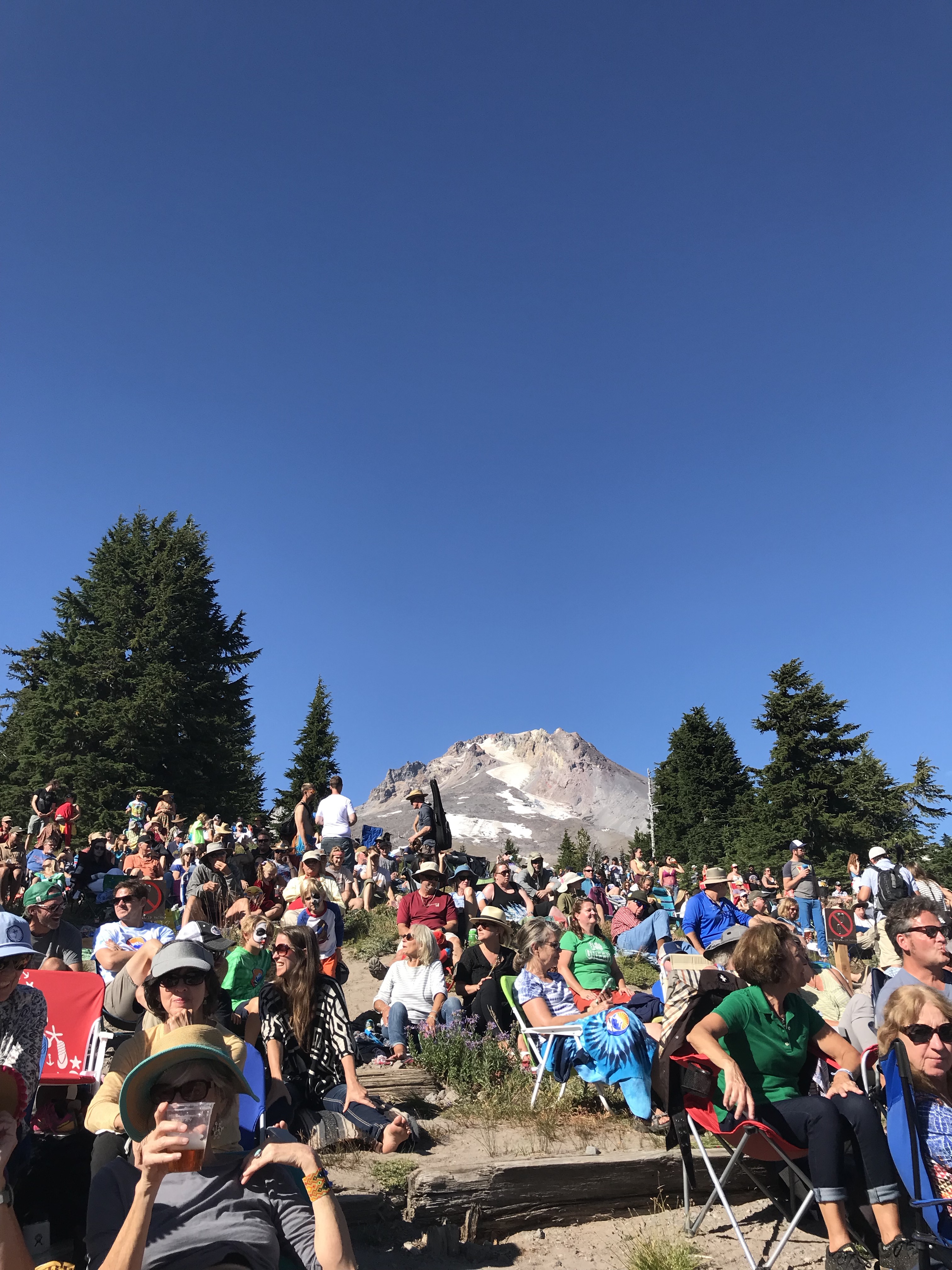
He built himself an enviable 37-year career working for Timberline and its operator, R.L.K. and Company, helping guide the lodge and ski area as it evolved. Tullis was there during the 1986 Oregon Episcopal School climbing tragedy; he was instrumental in the ski area’s Still Creek Basin expansion in 2007 – an effort immortalized with the naming of the “Uncle Jon’s Band” ski run in honor of him – and he organized the amazing Mountain Music Festival, which brought live music to the mountain every year.
This year, Tullis announced that he’ll be retiring after 37 years in June. He wrote a recap of his Timberline time in the recent issue of “Timberlines,” the newsletter of the Friends of Timberline. Best wishes, Jon, and thanks for the mountain memories. (And for the time we shared a stage at Powell’s in 2013!)
The second big footprint left on Mt. Hood came from Jack Grauer, a World War II veteran who first climbed Mt. Hood in 1947. A longtime member of the Mazamas, Grauer summited the mountain 227 times before he hung up his ice axe in 1994. Along the way, he also compiled one of the essential resources about the mountain, “Mount Hood: A Complete History.”

Self-published in multiple editions starting in 1975, Grauer’s book is packed with information and anecdotes about the mountain: native and pioneer history, climbing adventures, little-known facts and so much more.
I met Grauer for lunch back in 2010. He was a sharp and charming 89-year-old at the time and was still printing new copies of his book and binding them himself at his home in Vancouver.
In late January, I received a comment on the post I’d written about that meeting with Grauer. It was from someone who had been a caretaker for him in his later years, and she let me know that Grauer had passed away on January 22, 2022. He was 101 years old.
Grauer and his book are important pieces of the Mt. Hood story, and I’m glad I had the chance to meet him and learn from his writing when I did.
 On MOUNT HOOD